A Name From Another Time
At some point, you’re looking through a system and one name makes you stop. Customer. Odd. Nobody really calls it that anymore. The business talks about accounts now, or partners, or members, depending on who you ask.
The code is still five years behind the conversation.
Naming Before You Know
At the start, the names usually feel right. Someone names a table, an API, an event, and everyone nods. Sure, that’s what it’s called.
The catch is that you usually build a domain while you’re still learning it. Early on, nobody knows which distinctions will matter, which terms will last, or which concepts will quietly fade away. But you have to start somewhere, so you name things. And every name captures what you understood at that moment.
A year later, you know more. It turns out these are really two different things. This isn’t actually a customer. The term means something else entirely. The language has moved on. The code hasn’t, or at least not nearly as fast.
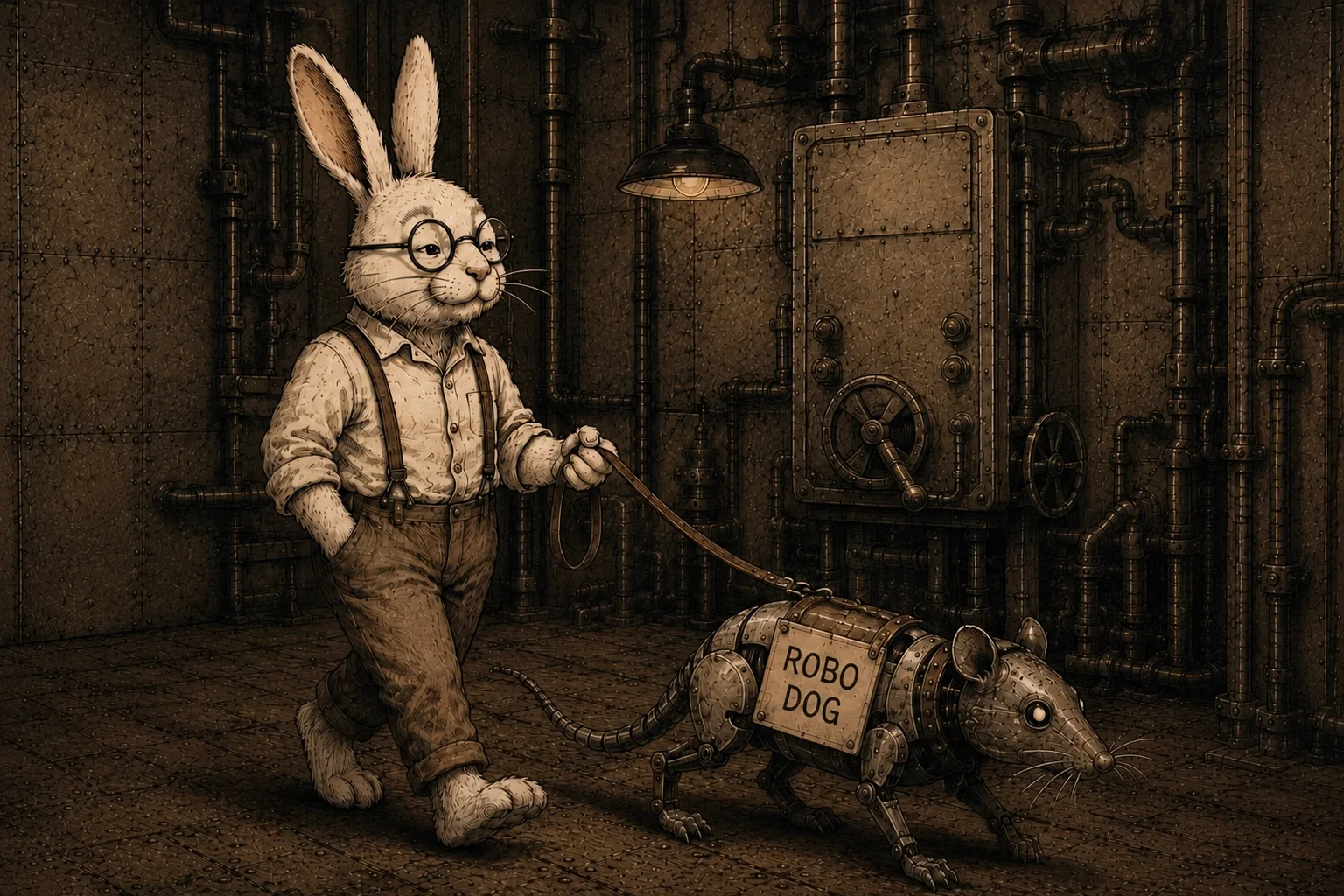
Why the Old Names Stay
You could rename everything, of course: the APIs, the events, the database tables, the docs, the dashboards, the ETL pipelines, the reports, and every other system that depends on them.
Or you could leave it alone. Most teams do.
The strange part is that software preserves language. New hires learn the old terms. Tickets use them, meetings use them. At some point the software stops adapting to the organization, and the organization starts adapting to the software. Not because the software is right. Just because it’s already there.
With enough systems, it gets even messier. The same thing is a customer in one place, an account in another, a partner somewhere else. Eventually you stop looking for the right word and just get used to translating.
Ubiquitous Until It Isn’t
For a long time, I thought this was a discipline problem. We should have been more consistent. More workshops, more glossaries, more domain-driven design, more shared language.
I don’t think that anymore. Organizations change, products change, people learn. Why would language be the one thing that holds still?
Maybe that’s the real illusion: that you find the right language once and it simply stays right. Maybe a ubiquitous language was never meant to be permanent. It’s a snapshot, the best description we have of how we see the domain today. And like everything else in software, that view gets old.
Historical Records
Over time, you start reading names differently. Less as truths, more as artifacts. Footnotes that show how someone understood the domain at a certain point in time.
Sometimes the name survives long after the concept has changed.